Preparing for a large yard cleanup in Las Vegas starts with separating cut vegetation, unwanted…
How to Estimate Construction Debris Volume Before Hauling
Learning how to estimate construction debris volume helps you prepare a hauling quote, but the provider must also assess material density and access.
Quick answer: To estimate construction debris volume, measure each pile in feet. Multiply length by width by average height to estimate cubic feet. Divide by 27 to convert the result to approximate cubic yards. Record each material separately. This calculation helps describe the job but does not determine weight, safe truck capacity or final pricing. For irregular piles, measure smaller approximate sections and add their estimated volumes rather than treating the entire footprint as a full rectangular block. Record the assumptions with the estimate.
Why volume helps a hauling quote
A rough volume estimate helps a hauler understand the amount of debris at a construction site, but volume does not establish the weight or safe load capacity. Begin with material type, dimensions and a photo of each separate pile. Keep concrete, asphalt, soil and loose aggregate distinct from lighter renovation debris. This gives the hauling team a better starting point than a single photograph or the number of trash bags.
Use a simple cubic-yard estimate
For a roughly rectangular pile, measure length, width and average height in feet. Multiply those three numbers and divide by 27 to estimate cubic yards. A pile about 9 feet long, 6 feet wide and 3 feet high has a rectangular estimate of 6 cubic yards. If the actual pile is uneven or tapered, its real volume may be smaller or larger than the rough estimate. Clearly label dimensions as approximate; do not treat the result as a verified truckload calculation. For a long uneven pile, divide the length into shorter sections, measure the average height in each and add their estimated volumes. For example, two sections estimated at 27 and 54 cubic feet represent about three cubic yards in total; identify different material types separately.
Measure intact and broken materials differently
An intact slab can be described using its length, width and thickness, but loose rubble may occupy a different volume after breaking. Share both the original dimensions and whether the material has already been dismantled. Mention visible reinforcement, mixed dirt or other materials. For example, an intact slab measuring 12 feet by 10 feet with a thickness of 4 inches has a geometric volume of about 1.48 cubic yards (12 × 10 × 4/12 ÷ 27). Loose rubble after breaking may take up more space; the example is not a payload or dumpster-capacity estimate. Breaking, loading and transportation are separate scope items until confirmed. Review concrete removal and demolition debris hauling for related inquiries.
Weight and access still matter
Dense or wet material can become heavy even when the pile looks small. Ask J&B Hauling about accepted materials, load restrictions and suitable equipment before selecting a truck or container. Provide the distance between the pile and the loading area, gate measurements, surface conditions and any site restrictions. See dirt hauling for soil-specific inquiries and dump truck hauling for equipment availability.
Example debris measurement worksheet
Suppose a rectangular pile of loose material measures 6 by 3 by 3 feet. Its estimated volume is 2 cubic yards. A second pile of different material measuring 9 by 3 by 2 feet also estimates to 2 cubic yards. Report both piles separately, not merely a total of 4 cubic yards, because their weights and acceptance rules may differ.
Copyable measurement record: Pile number; material; length × width × average height in feet; estimated cubic yards; weight if known; access or loading notes. Repeat this record for each separate pile and label the measurements as estimates. A photograph can supplement the record but is not a weight measurement. Before transport, check the Southern Nevada Health District permitted disposal facilities directory and confirm that the intended facility accepts the material.
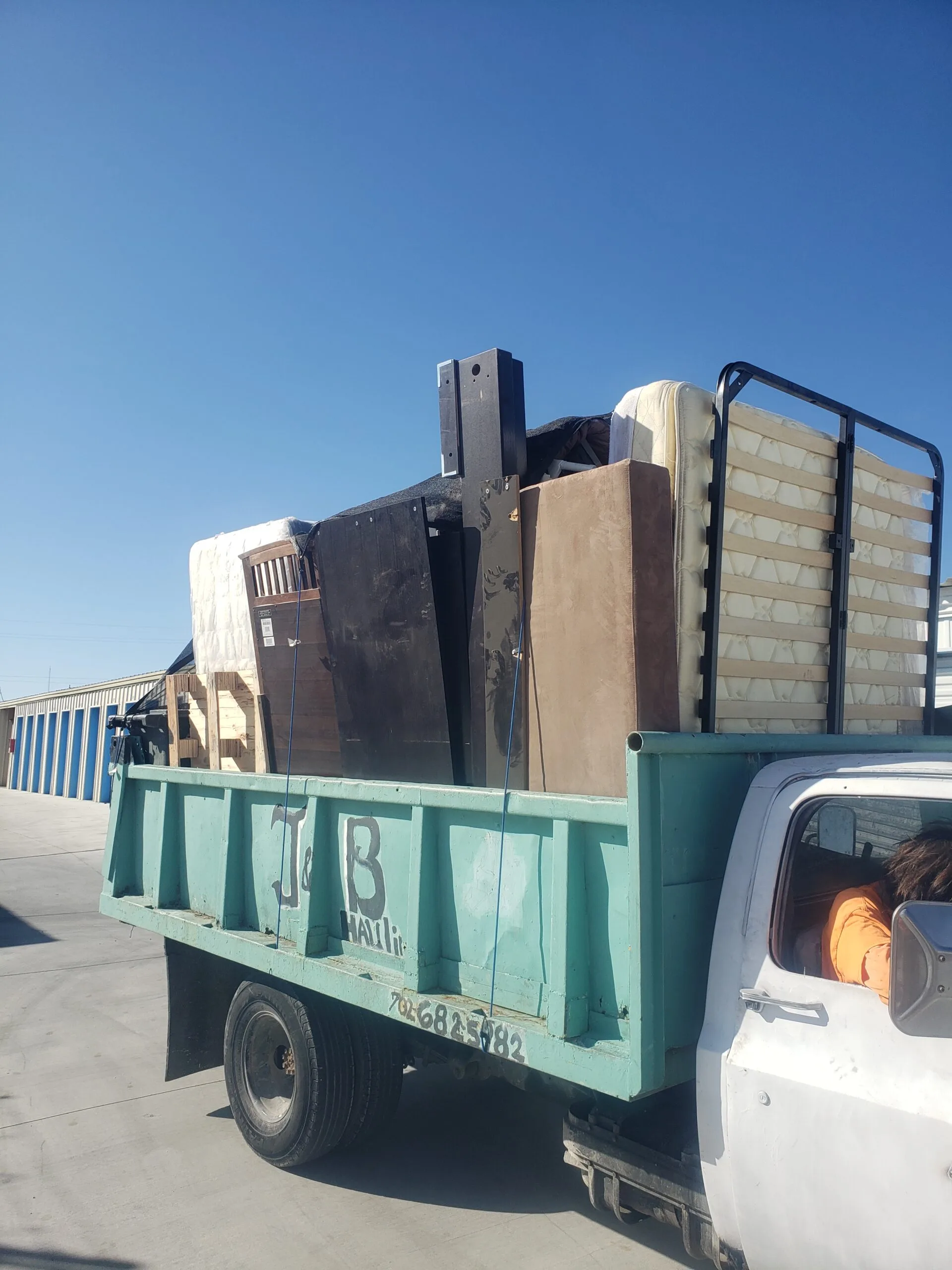
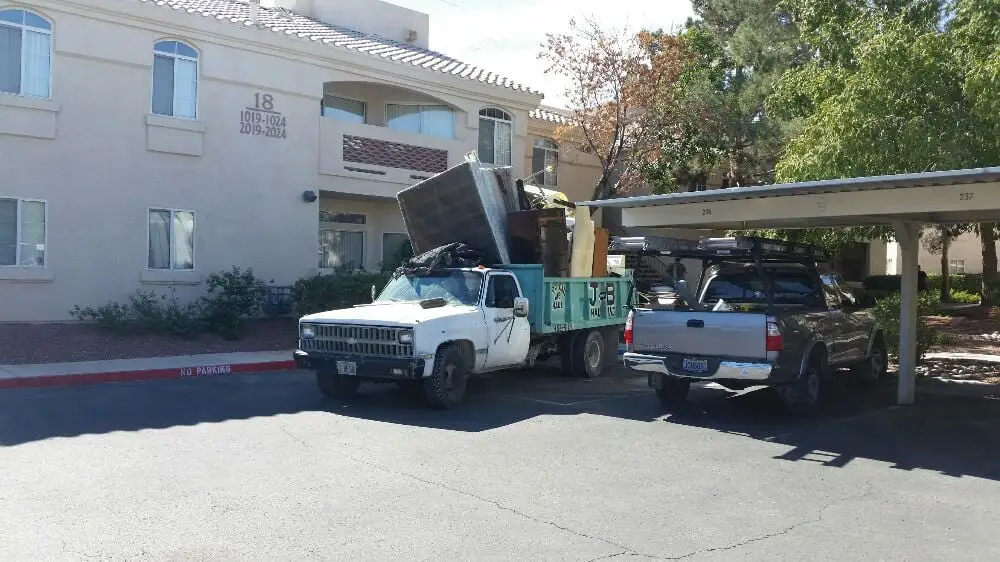
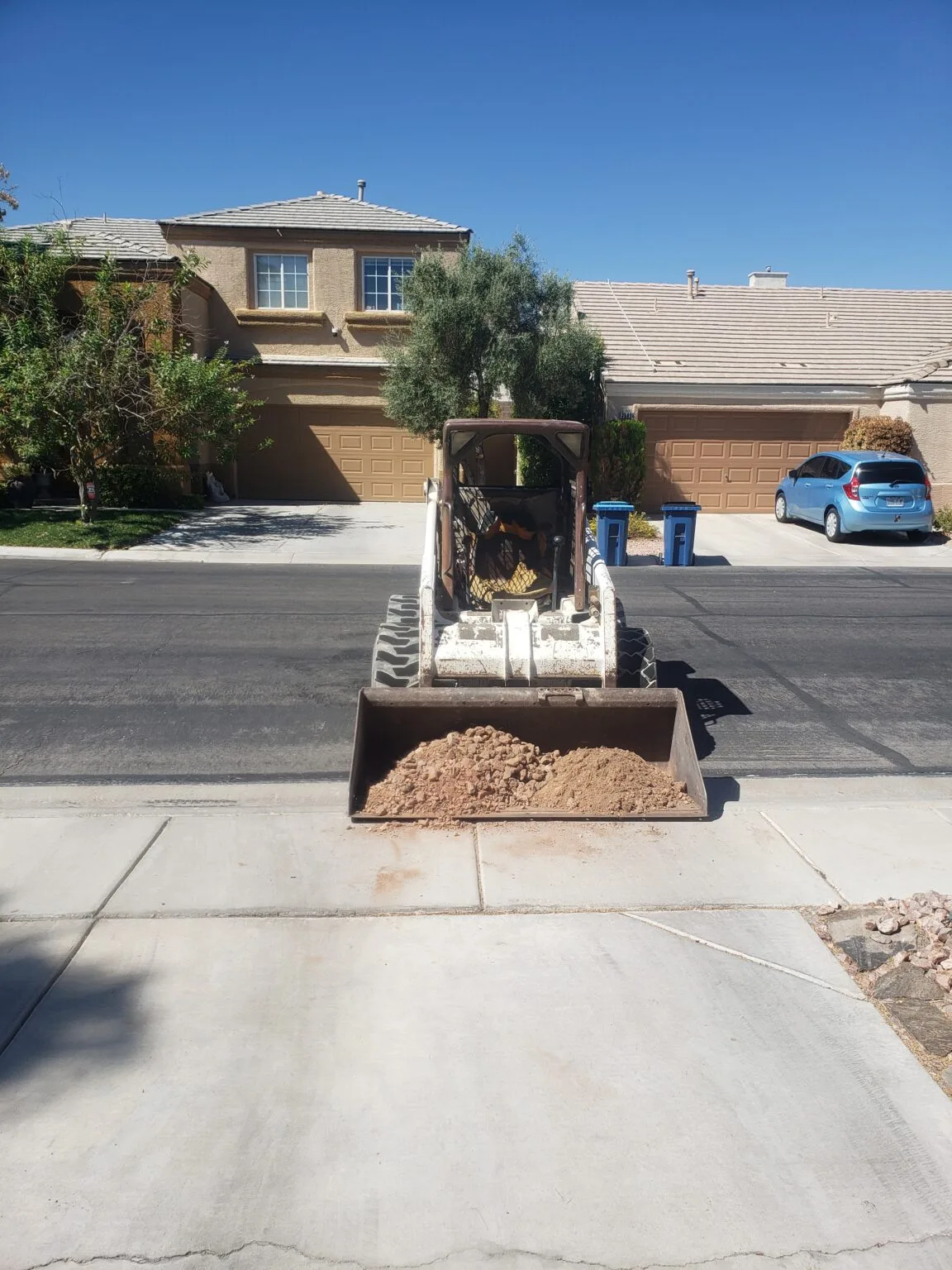
The company’s project gallery offers background about past hauling work. For estimating your own debris volume, use fresh photographs with a recognizable scale and separate measurements for each pile.
- Material and whether it is loose, intact, bagged or mixed.
- Length, width and average height in feet.
- Estimated volume in cubic yards for each pile.
- Moisture, visible reinforcement, obstacles and loading requirements.
For loose landscaping materials, read the sand, gravel and rock removal preparation guide. If a container is being considered, review the 21-yard dumpster materials guide. For dense rubble, our broken asphalt preparation guide and post-demolition debris checklist explain material-specific staging considerations.
Measuring a layer of gravel or soil
When material is spread out rather than piled, measure the area in square feet and its average depth in inches. Divide area multiplied by depth by 324 to estimate cubic yards. For example, 200 square feet at 3 inches deep is approximately 1.85 cubic yards. For uneven layers, divide the area into sections and calculate each separately. See our landscape rock removal guide and volume reference for residential landscape estimates. Weight and load acceptance must be assessed separately.
Send measurements with your request
For intact pavement, report the surface dimensions and thickness separately from the loose debris measurements. Compare the asphalt pavement volume example and the concrete slab estimate. Both use geometric volume, not load weight; do not combine material quantities into an assumed truck capacity.
Include separate approximate dimensions and photos for each pile, the full address, the stage of the construction project and your preferred pickup window. Use the construction debris checklist for additional planning and request a hauling quote. J&B will review the eligible scope, not guarantee a vehicle based on cubic yards alone. For help describing your load, call (702) 682-5982.
Request a debris hauling estimate
Share the measurements and photographs for each material separately, plus the loading route.
Request a project-specific quote Explore construction cleanup

Related Posts