Looking for reliable construction material hauling near Las Vegas? Compare aggregate, asphalt, dirt, dump trucks and dumpsters, and prepare a useful quote request.

Construction Debris Removal in Las Vegas: A Project Planning Checklist
Construction debris removal in Las Vegas works best when the hauling plan is made before materials pile up. Whether you are coordinating a remodel, small demolition cleanup or contractor job site, separating materials and confirming access can prevent last-minute delays.
Start here: Identify the material types, estimate how much there is, confirm the loading location and ask the hauler about accepted loads and weight limits. Do not treat concrete, soil, asphalt and mixed construction debris as interchangeable.
Step 1: Identify every type of debris
A single project might produce concrete, broken asphalt, scrap lumber, flooring, packaging, soil and general cleanup waste. These materials can differ significantly in density and handling requirements. Make a simple inventory and group the piles before requesting service.
Concrete and masonry
Describe whether the material is a loose pile, slabs or sections that still need breaking or loading. A request for concrete removal in Las Vegas should include approximate dimensions, thickness if known, and whether equipment can reach the area. Confirm with the provider whether breaking, loading or transport is included.
Asphalt and paving material
For asphalt hauling, note whether the pavement is already broken into manageable pieces and where the pile sits. Don’t mix asphalt with unrelated materials without discussing that first.
Dirt, fill and aggregate
Soil and aggregate loads can become heavy quickly. If you need dirt removal or aggregate hauling, estimate the dimensions of the pile, identify the material and mention moisture or mixed debris when applicable. Any material acceptance or load restrictions should be agreed on in advance.
Step 2: Measure access to the work area
On-site logistics may matter just as much as debris volume. Before requesting hauling, check the route between the pile and the street or staging area. Are there low wires, tree limbs, narrow gates, steep grades or parked vehicles? Is there room for a large truck to enter and turn around safely?
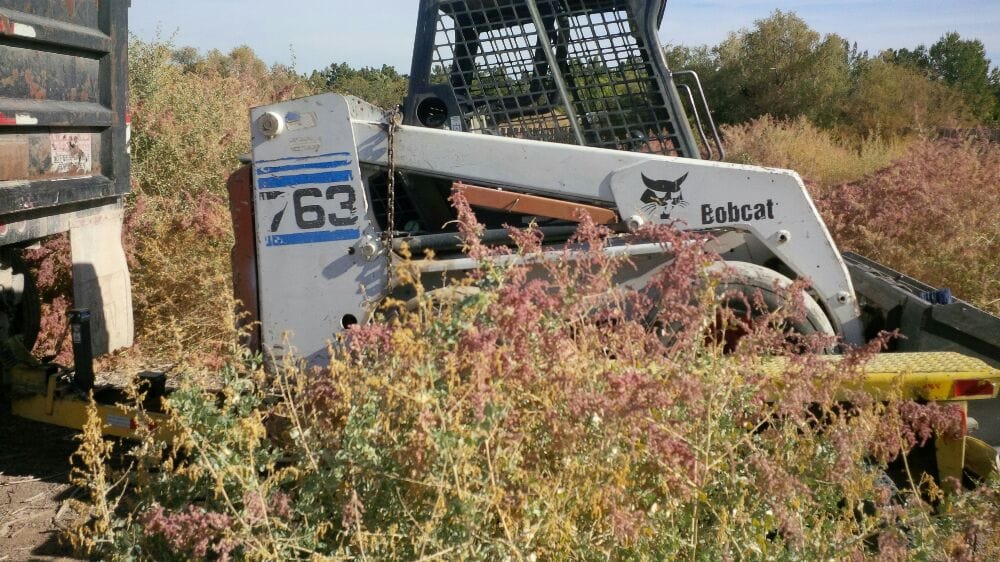
If mechanical loading may be needed, ask whether Bobcat or machine-assisted cleanup is suitable. Equipment capabilities and access requirements should be confirmed directly; never assume a machine can enter every property.
Step 3: Decide on a pickup or container
For an established pile, a scheduled construction cleanup and hauling service may be appropriate. When the job will produce material over multiple days, ask whether a 21-yard roll-off dumpster is appropriate for the project.
The container’s cubic-yard capacity does not mean unlimited weight. Dense loads and prohibited items may require special arrangements. Compare the two approaches in our junk removal versus dumpster rental guide.
Step 4: Prepare your request for an accurate estimate
- Address and access: job-site location, gates, driveways, loading distance and any restricted hours.
- Photos: wide views that show the entire pile, plus close-ups where material type is unclear.
- Quantity: approximate pile length, width and height, or item counts if the load is not a uniform pile.
- Materials: list concrete, asphalt, soil, lumber and mixed debris separately.
- Timeline: when the pile will be ready, and whether the site needs staged pickups.
- Safety: disclose suspected hazardous or regulated materials so the provider can explain what is not accepted.
Step 5: Keep the site workable during cleanup
Separate the work zone from pedestrian routes and maintain safe access for workers and vehicles. Do not place material where it blocks public paths, drains, fire access or neighboring property. If a dumpster or truck would occupy a public right-of-way, check applicable placement rules with the responsible authority before delivery.
For demolition debris removal or a broad vacant lot cleanup, coordinate the hauling sequence with the contractor’s work plan. Keep records of what was removed and any special disposal arrangements required for the project.
Frequently asked construction cleanup questions
Can I combine concrete and soil in the same load?
Not without asking first. Material combinations, disposal rules and equipment weight limits vary by provider and job. Describe each material when you request your quote.
Do I need everything broken up before pickup?
That depends on what equipment, labor and loading services are available. Provide photos and tell the hauler whether any breaking or on-site loading remains.
What if the construction site is in Henderson or North Las Vegas?
Use the service areas overview and share the exact address. Availability and the suitability of a particular vehicle or container should be confirmed for that location.
Which Las Vegas Contractor Service Page Matches the Debris?
For soil, gravel or masonry-related material, review aggregate hauling inquiries and dirt removal. For already broken paving or slab debris, compare asphalt hauling with concrete removal. A larger job with staging or loading constraints may call for a separate dump truck inquiry. Service suitability and approved loads must be confirmed; site cleanup does not automatically include demolition or delivery of new materials.
Ready to plan debris hauling?
Describe the work area, the materials and your expected timeline. J&B Hauling can review the inquiry and advise on the next steps for an eligible project.
Request a hauling estimate View construction cleanup services

Related Posts