Prepare broken asphalt after a Las Vegas pavement renovation. Learn how to describe the material, staging, loading access and hauling scope.

Aggregate Hauling in Las Vegas: How Contractors Can Separate Construction Materials
Learn how to separate aggregate construction materials before arranging hauling in Las Vegas. Identify sand, gravel, rock, masonry and mixed debris so each load can be assessed accurately.
Quick answer: Aggregate hauling in Las Vegas can involve loose sand, gravel, rock or other approved bulk material. Mixed job-site debris may require different handling. Keep material types identifiable so the provider can assess equipment, load restrictions and destination requirements. Start with Las Vegas aggregate hauling services.
Identify each material stream
Describe loose sand, pea gravel, crushed rock, masonry blocks, broken concrete and asphalt separately. Note whether the material contains soil, wood, packaging or other waste. Moisture, contamination and density affect the assessment. Do not mix suspected hazardous materials into ordinary debris.
Prepare useful measurements
Estimate the length, width and height of each pile and photograph it from a distance that shows scale. If the material is spread across a surface, describe its area and approximate depth. Volume is only an estimate; obtain a suitable weight assessment before relying on a vehicle capacity.
Coordinate loading with the job schedule
Tell the hauler whether equipment is already available, whether the pile is staged near a loading area and which access routes are available. Keep active work areas separate from the planned loading zone. Ask the site manager about access requirements and the timing of collection.
Choose the appropriate service
For loose bulk material, use the aggregate service page. For mixed renovation waste, compare construction debris cleanup; for dense broken slabs, review concrete debris removal; and for vehicle requirements, see dump truck hauling inquiries.
Is new gravel delivery included?
Material sales, delivery and haul-away are different scopes. Confirm the exact service and destination with J&B Hauling before booking. For a household landscape project, our sand, gravel and rock preparation guide explains how to describe the pile.
Example of a separated construction load inventory
Instead of writing only “construction debris,” prepare a list such as loose gravel in one pile, broken concrete in another, and packaging or wood in a separate area. These are illustrative materials, not an approved acceptance list. Record the approximate quantity and loading method for each. If you cannot safely separate a material, describe the mixture rather than guessing its composition.
For broader construction and demolition material recovery considerations, review EPA construction and demolition material guidance. Confirm local disposal arrangements and actual service acceptance with the provider.
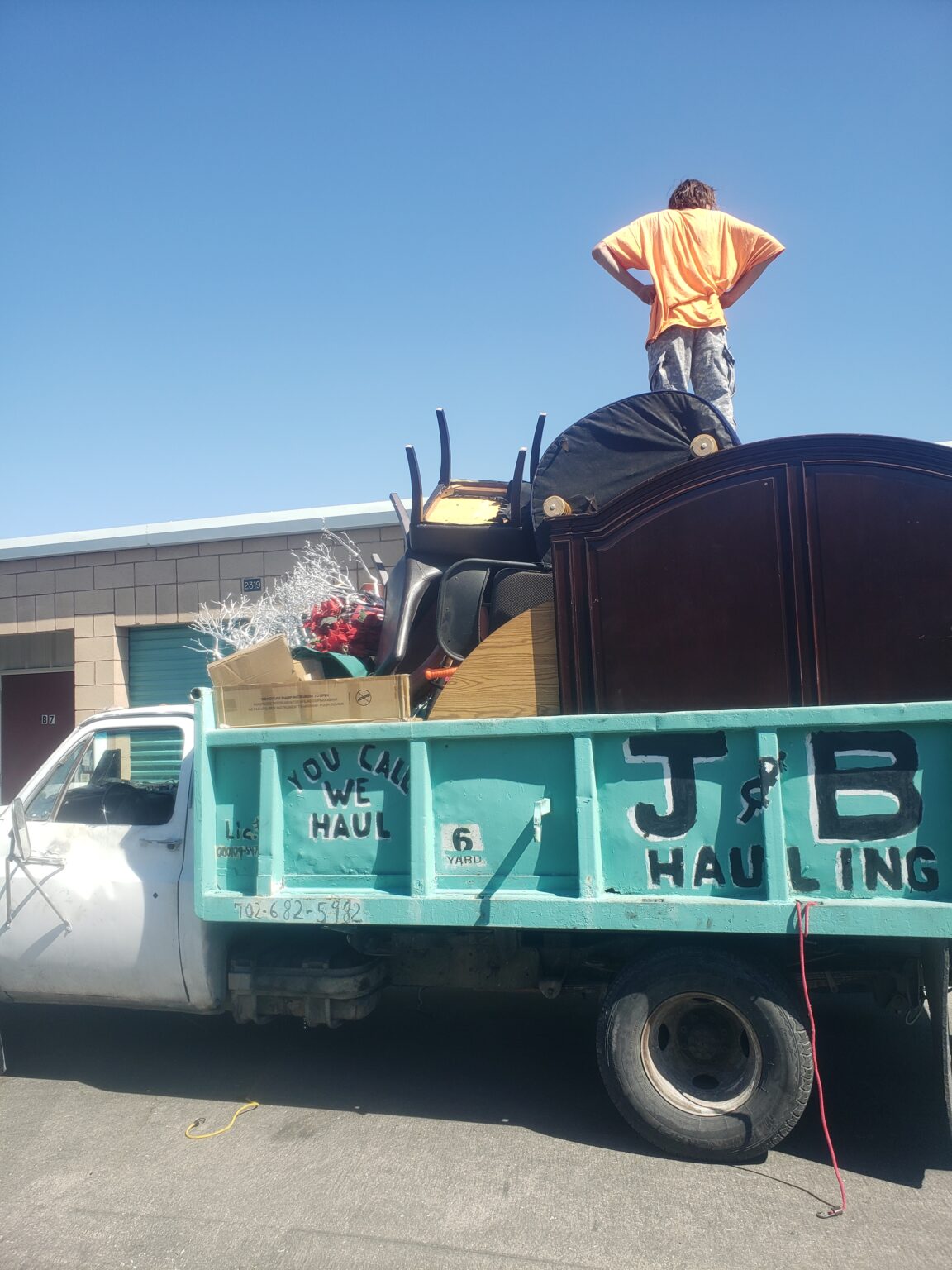
The J&B Hauling project gallery offers examples of past material handling and equipment. Use photos of your own separated piles to discuss the scope; the gallery does not establish which materials or load sizes are approved for a new job.
Aggregate material sorting checklist for a quote
- List sand, gravel, soil, masonry and mixed debris separately.
- Record approximate dimensions for each pile and any moisture or contamination. Use the debris volume measurement guide to estimate quantities without assuming truck capacity.
- Show the loader and truck access route in your project photos.
- Identify the intended destination or request haul-away and confirm who arranges disposal.
Call (702) 682-5982 or request a project-specific hauling quote. Availability and accepted materials are confirmed per job.

Related Posts


Comments (0)